
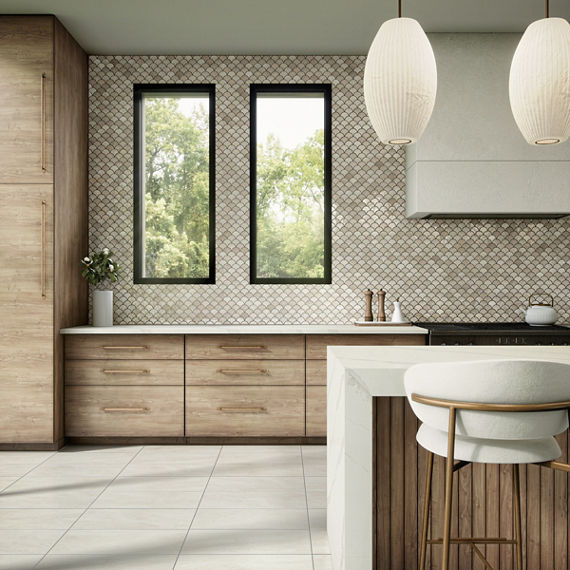
Whether you're remodeling your bathroom, updating a kitchen backsplash, or building a new home, choosing between ceramic and porcelain tile is one of the first decisions you'll need to make. While they may look similar on the surface, there are key differences that can affect everything from durability to long-term maintenance. Let’s break it down.
Understanding the Basics
What is Ceramic Tile?
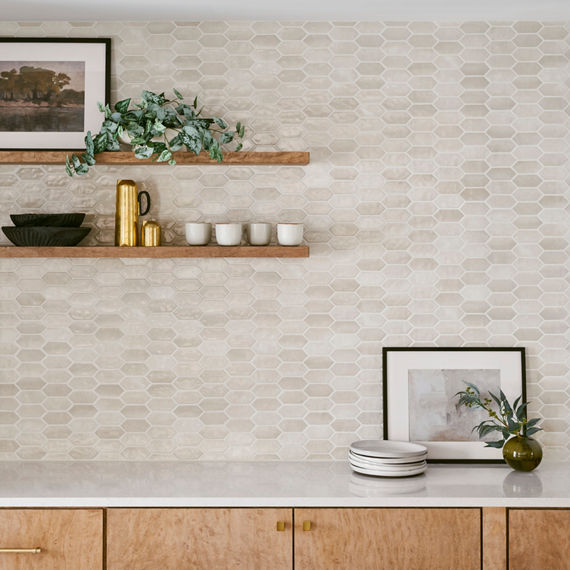
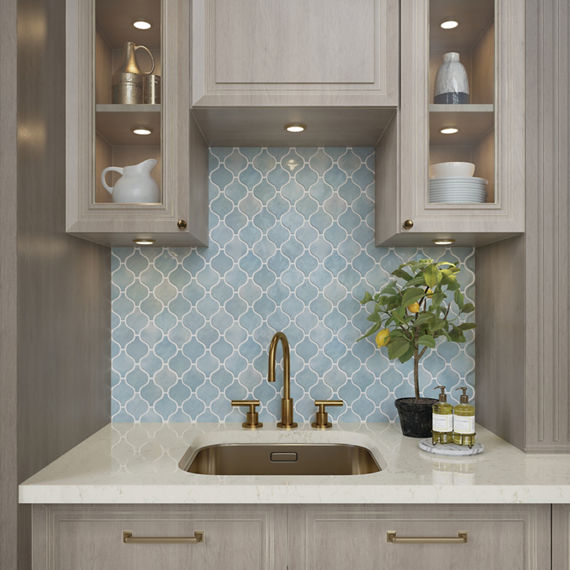
Ceramic tile is made from a mixture of natural clay, sand, and water that’s shaped, glazed, and fired at lower temperatures than porcelain. This results in a tile that’s slightly more porous and softer—making it easier to cut and install.
Common uses: Ceramic tile is ideal for walls, low-traffic flooring, and decorative applications in dry areas. It’s a popular choice for kitchen backsplashes, bathroom walls, and accent tile features thanks to its affordability and vast style selection.
What is Porcelain Tile?

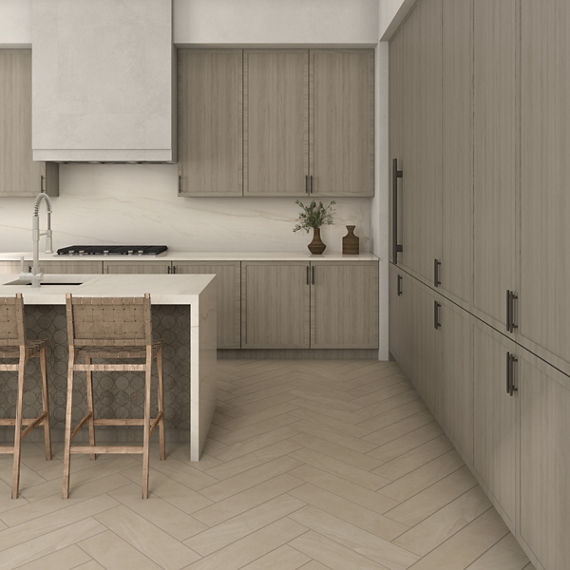
Porcelain tile is a subtype of ceramic, but it’s made with finer clay mixture and fired at much higher temperatures. This makes it denser, harder, and less porous, resulting in a tile with a durable surface that performs exceptionally well in areas prone to moisture, wear, and heavy foot traffic.
Ideal applications: Porcelain is the go-to choice for floors, outdoor patios, wet zones like showers, and high-traffic commercial spaces.
Key Differences Between Ceramic and Porcelain
Water Absorption and Durability
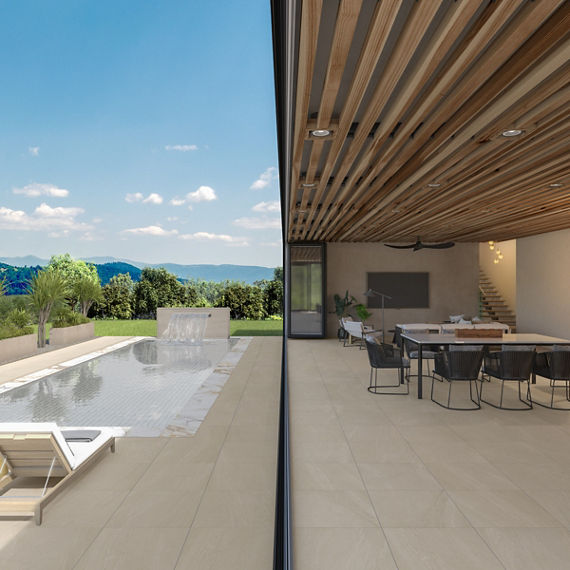
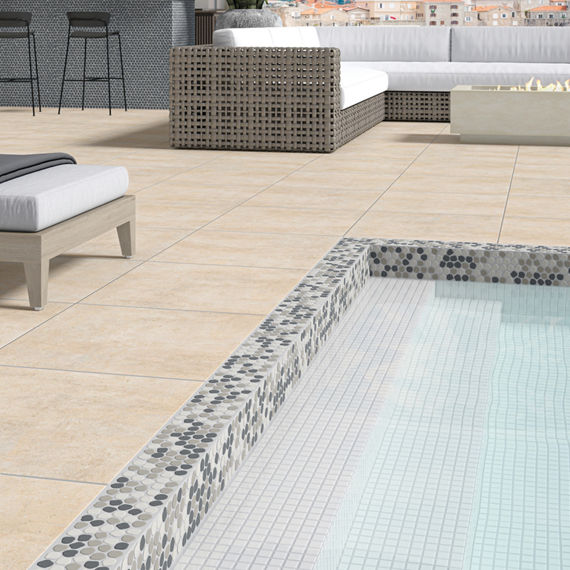
Porcelain tile has a water absorption rate below 0.5%, making it virtually impervious to water. This gives it superior durability in moisture-prone areas like bathrooms, kitchens, and patios. Ceramic tile absorbs more water and is better suited for dry, indoor areas.
Appearance and Design Options
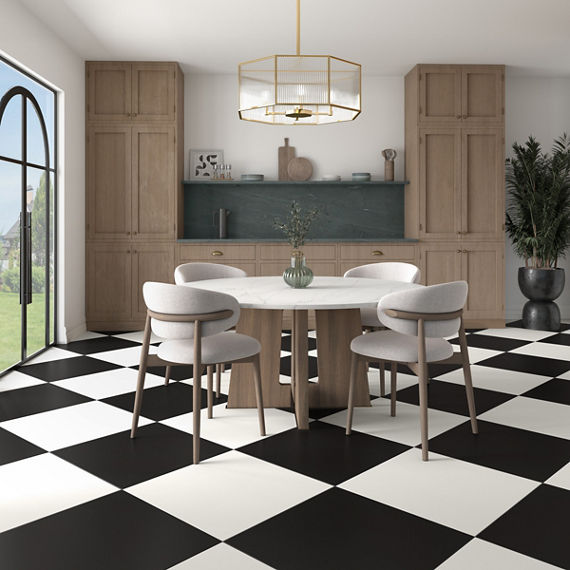
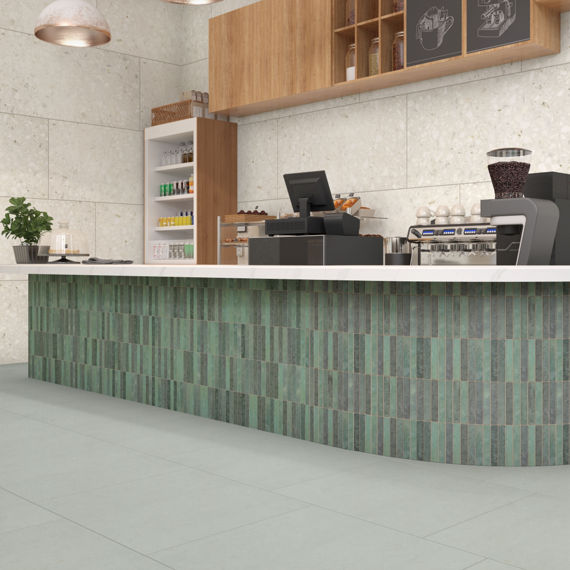
Both ceramic and porcelain offer a wide variety of colors, shapes, and styles. Ceramic often features more vibrant glazes and detailed surface patterns, making it ideal for bold design statements. Porcelain, on the other hand, excels at replicating natural materials with incredible realism—popular choices include wood look, marble look, and concrete look tiles that bring texture and sophistication to both modern and classic interiors.
Installation and Cost
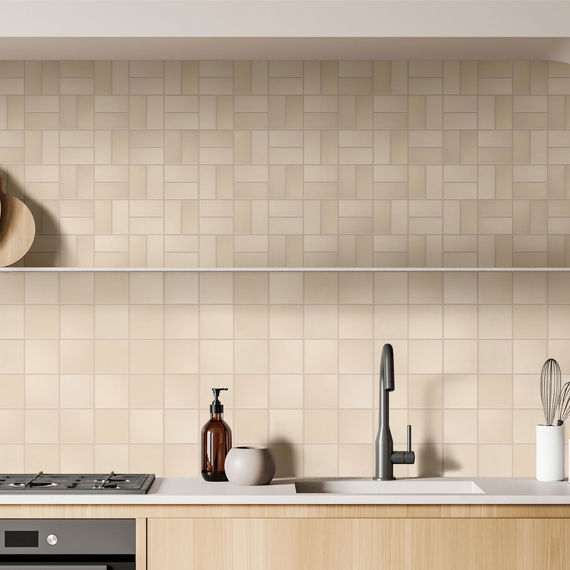
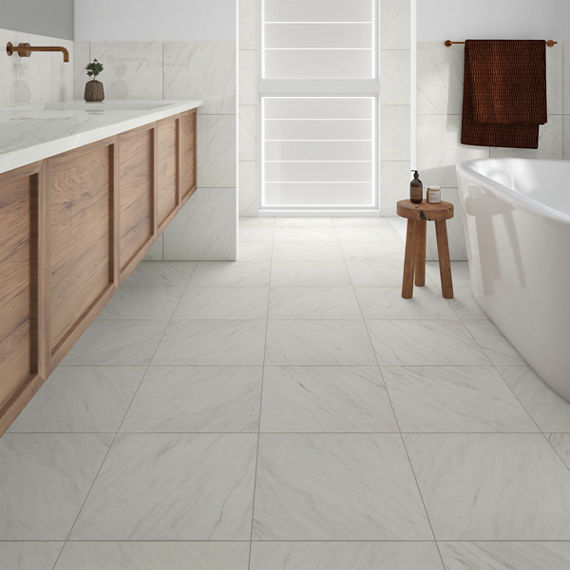
Ceramic tile is easier to cut and generally more budget-friendly, making it a great choice for DIYers or large-scale wall applications. Porcelain, due to its density, requires specialized tools and expertise to install—but pays off in long-term performance.
Maintenance and Lifespan
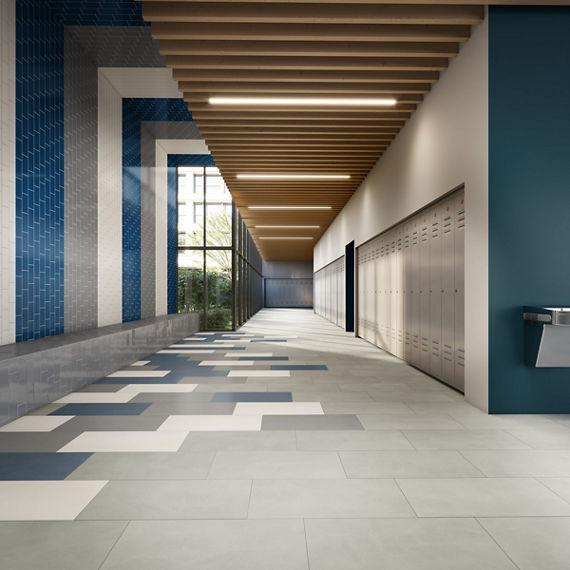
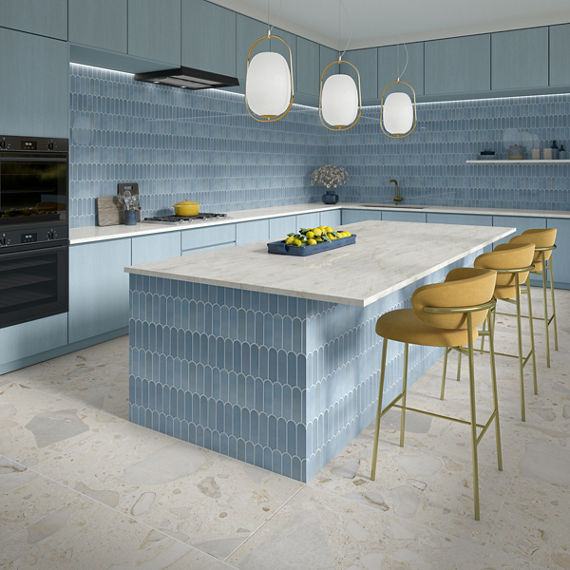
Both tile types are easy to clean and stain-resistant, but porcelain holds an edge in longevity. It’s tougher and less likely to chip, crack, or show wear over time, especially in high-impact or wet environments. For tips on keeping your tiles looking their best, read our guides to ceramic tile care and porcelain tile care.
Choosing the Right Tile for Your Space
Best Uses for Ceramic Tile
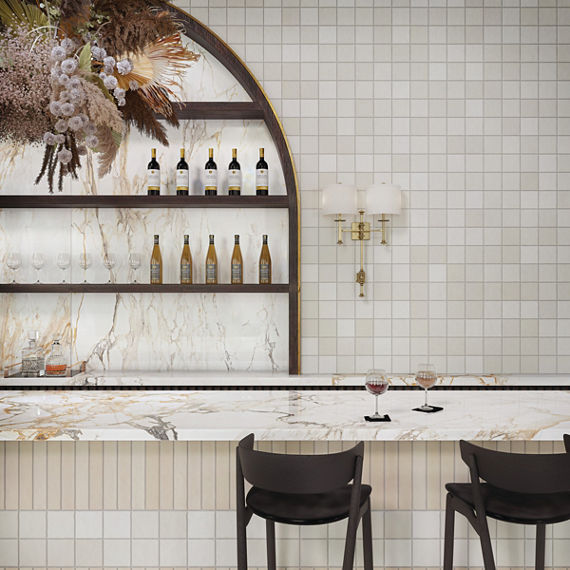
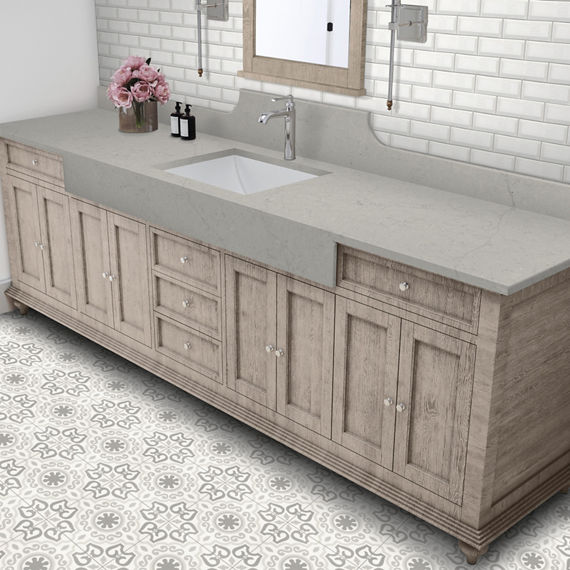
- Walls and vertical applications
- Light-traffic floors (powder rooms, guest bathrooms)
- Decorative details like backsplashes or accent walls
Best Uses for Porcelain Tile
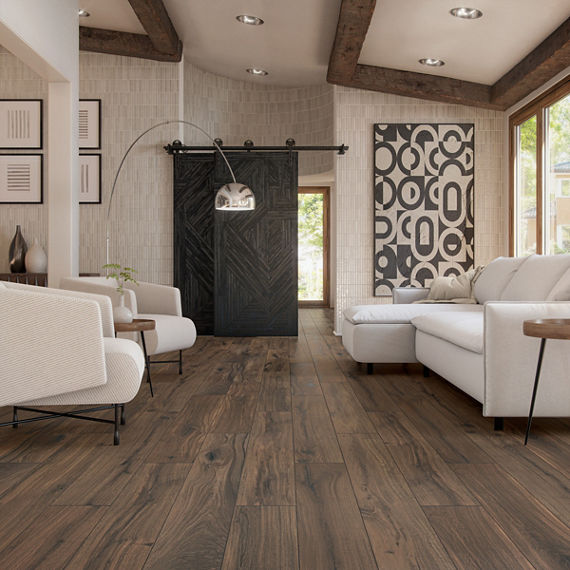
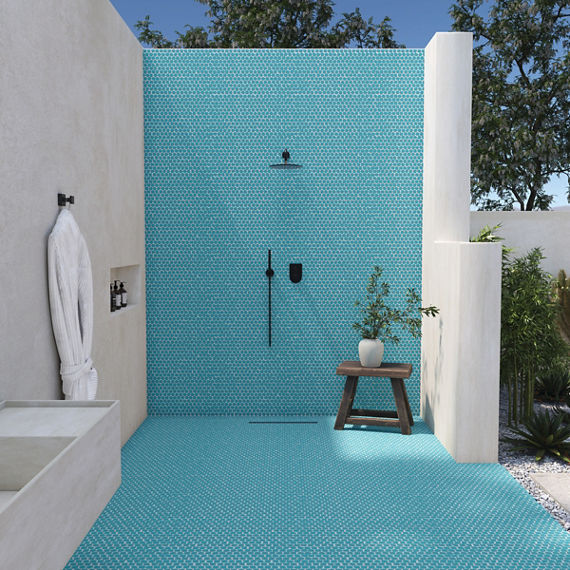
- Shower floors
- Main floors in kitchens, bathrooms, hallways, and entryways
- Outdoor patios or pool areas with added slip resistance
- Outdoor walls in any climate
- High-traffic zones in residential or commercial projects
Why Tile Type Matters for Long-Term Value
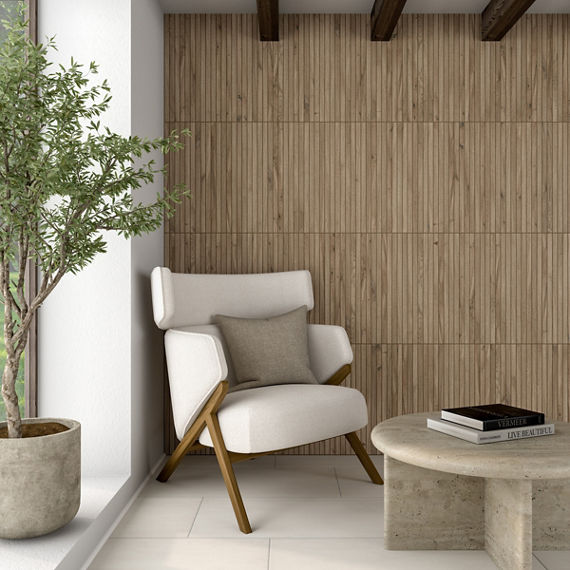
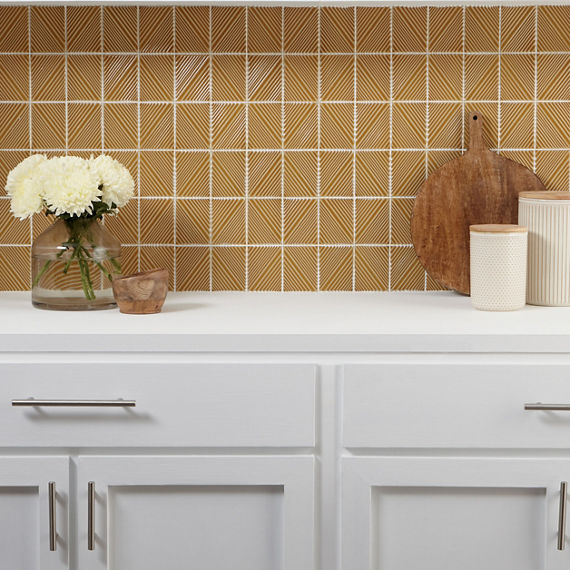
Choosing the right tile type isn’t just about looks—it directly affects durability, maintenance, and home value. Porcelain’s resistance to wear, water, and stains makes it an investment in longevity. Ceramic offers design flexibility at a lower cost for areas with fewer performance demands
A smart tile choice now means fewer repairs later—and a space that stays beautiful for years to come.
Explore Your Options with Daltile
Still not sure which tile option is right for your project? Our design experts are here to help. Visit a Daltile showroom to compare ceramic and porcelain tile side-by-side, get design advice, and even order a sample online to experience the difference firsthand.