
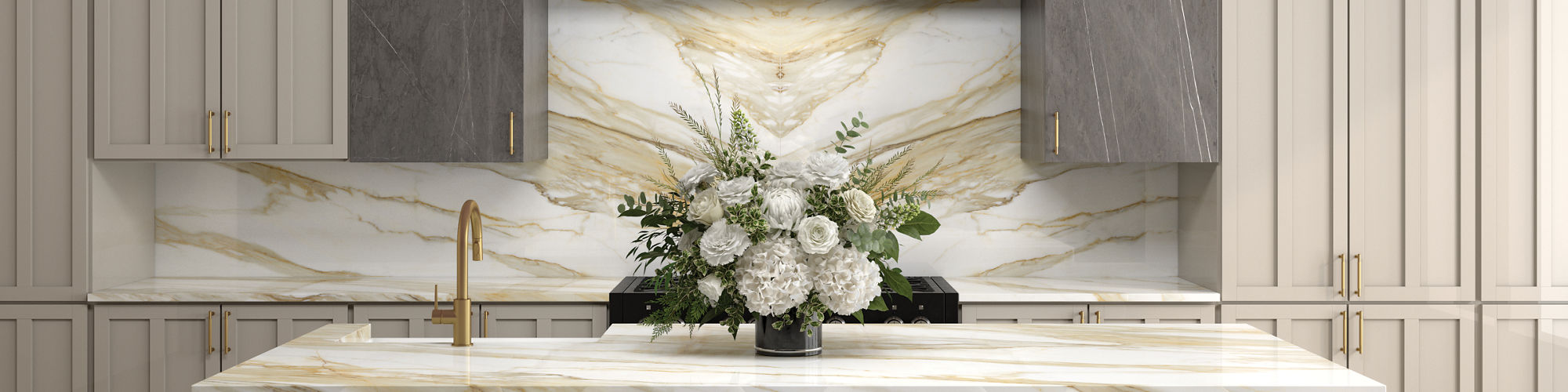
When you think about surface materials, porcelain slabs may not be the first thing that comes to mind. Many people still associate porcelain only with tile or think of slabs as something reserved for countertops. But the truth is, porcelain slabs are one of the most versatile design solutions available today, indoors, outdoors, in homes, and in commercial spaces.
If you’re new to the category, this guide will walk you through where porcelain slabs can be used, when to choose each thickness, and why they’re quickly becoming the future of surface design.
Why Choose Porcelain Slabs?
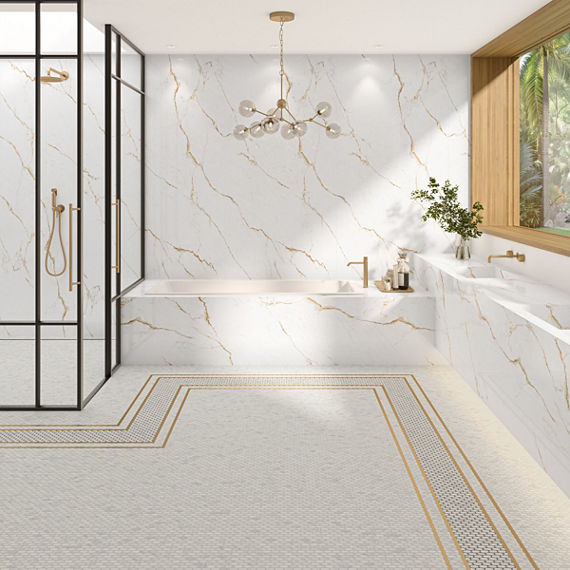
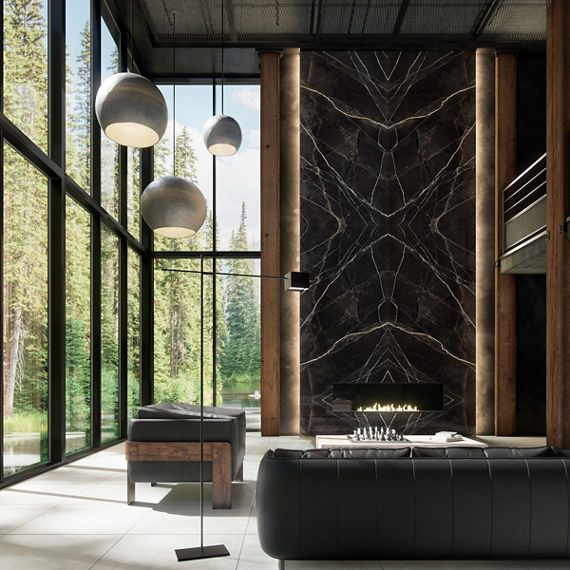
- Resistant to stains, scratches, and heat
- Lightweight compared to stone, making installation easier
- UV- and weather-resistant, perfect for outdoor applications
- Available in multiple thicknesses to suit different design needs
That means you can create the look you love while enjoying the durability and low maintenance that porcelain is known for.
Where to Use Porcelain Slabs
Indoors
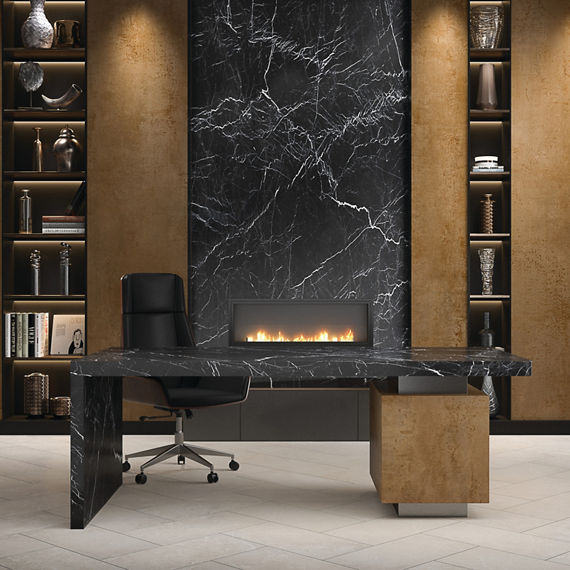
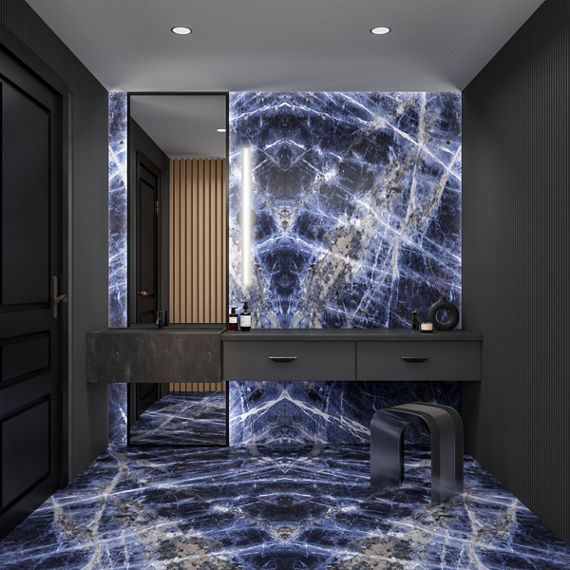
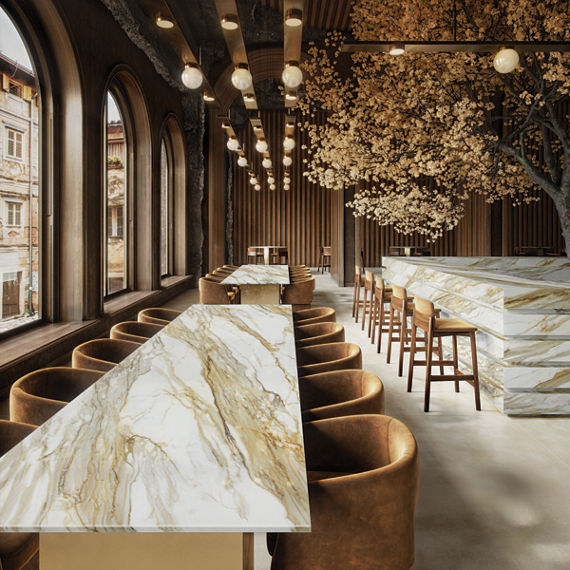
- Walls: Seamless feature walls, fireplace surrounds, shower walls
- Floors: Large-format slabs reduce grout lines for a clean, modern look
- Countertops: Kitchens, bathrooms, vanities, bars
Outdoors
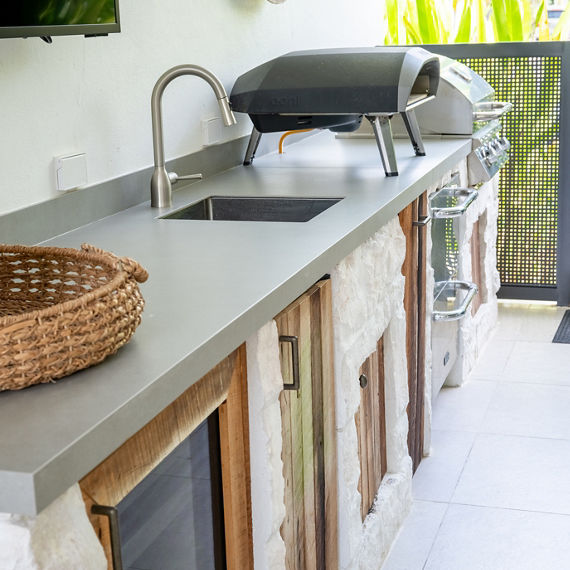
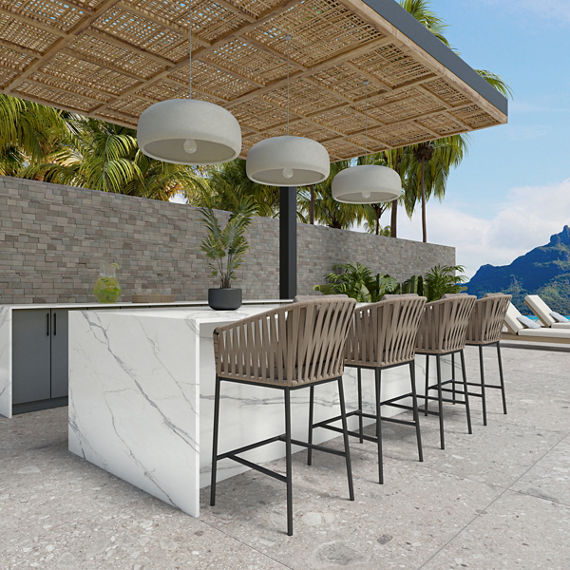
- Outdoor kitchens: Durable enough to handle weather, heat, and cooking
- Patios & pool surrounds: UV- and fade-resistant for long-term performance
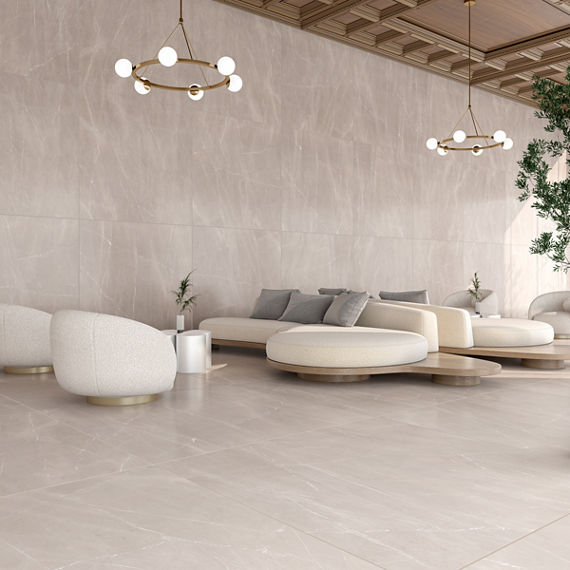
- Commercial spaces: Hotel lobbies, restaurants, and office environments benefit from slabs’ strength and scale
Understanding Thickness: 6mm, 12mm, and 2CM
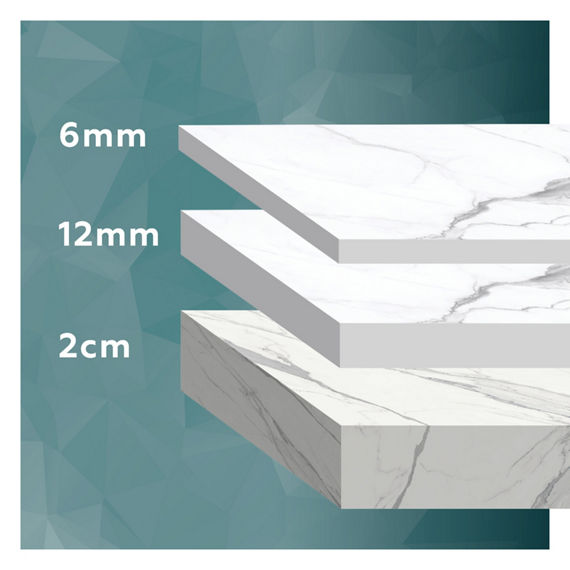
6mm: Lightweight Power for Walls & Floors
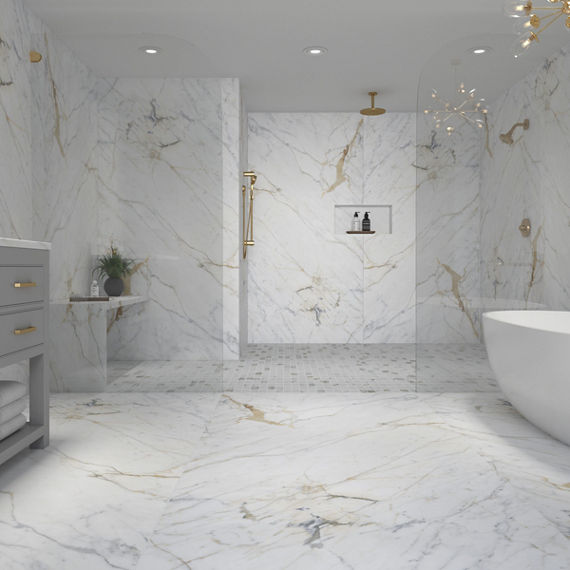
12mm: Versatility Across Every Surface
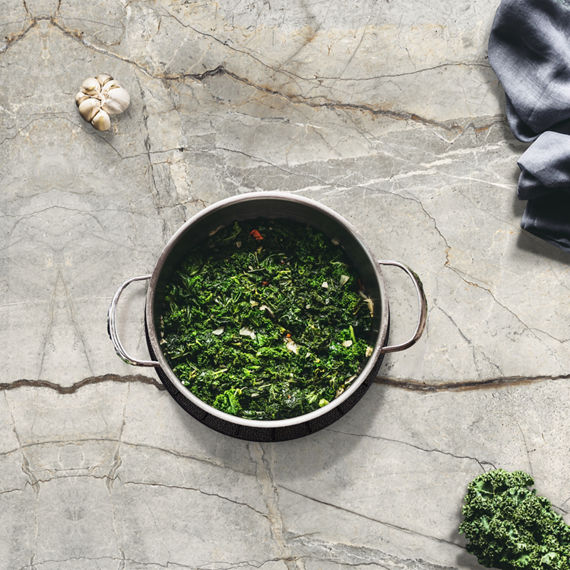
- Works beautifully for vanities, kitchen counters, and outdoor kitchens
- Compatible with Invisacook induction technology for seamless, invisible cooking
- Edges require mitering for two reasons:
- Because the veining does not run through the body, mitering allows the pattern to wrap for a more natural look
- Because 12mm alone is thinner than a standard 2 or 3cm countertop, a mitered edge builds up the profile for the desired visual edges
Key takeaway: 12mm can do everything 6mm and 2cm can do, but requires mitered edges to achieve a natural, stone-like counter.
2CM: Premium Performance with Throughbody Technology
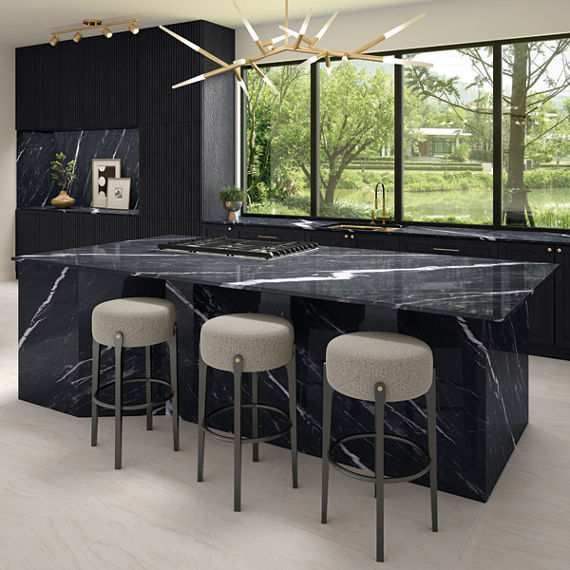
- Best for high-traffic countertops, outdoor kitchens, patios, and commercial settings
- Compatible with Invisacook for both indoor and outdoor cooking surfaces
- Throughbody technology means veining runs through the entire slab, so edges look authentic without the need for mitering
Key takeaway: 2cm offers the most realistic natural stone look, especially for exposed edges.
When to Choose Each Thickness
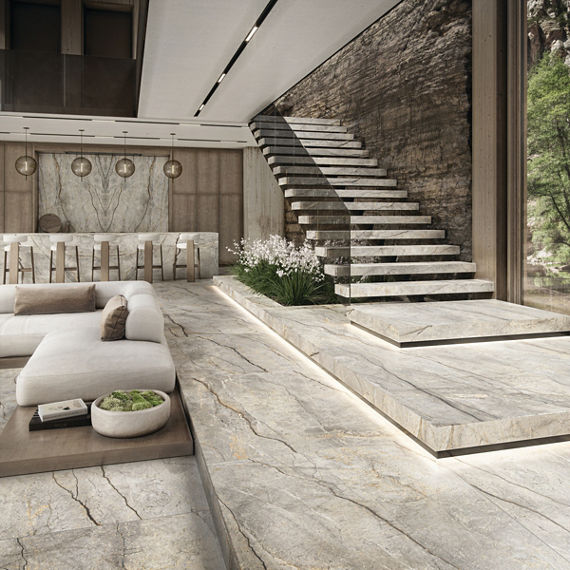
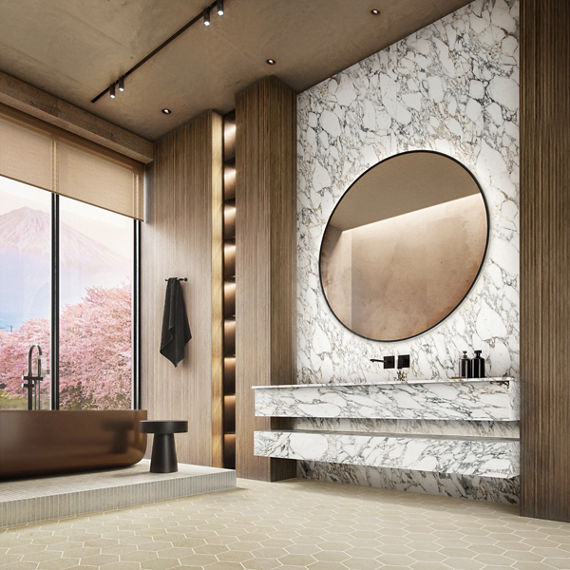
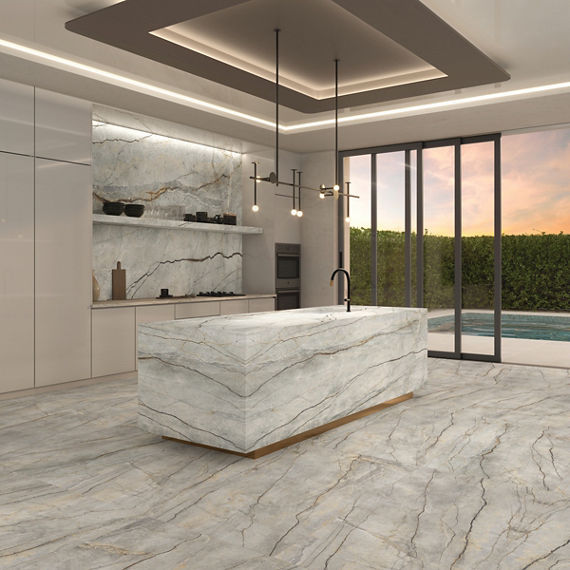
- 6mm: Best for walls and floors when lightweight strength is needed.
- 12mm: The do-it-all option: walls, floors, countertops (indoor or outdoor), with the added benefit of Invisacook compatibility. Requires mitered edges.
- 2cm: The premium choice for counters with throughbody veining for realistic stone edges. Also pairs with Invisacook for indoor and outdoor counters.
Why Porcelain Slabs Are the Future
Whether you’re designing a modern residential bathroom, a high-traffic commercial lobby, or a sleek outdoor kitchen, porcelain slabs give you the freedom to think beyond traditional materials. They’re engineered to look like marble, stone, or concrete, but with the durability, consistency, and low maintenance that today’s projects demand.
Porcelain slabs aren’t just another option. They’re a smarter way to design without limits.